Educational content only. This is not medical advice and is not product labeling. Talk with your clinician about your own symptoms. Medical disclaimer.
Having a baby changes your body in countless ways, and vaginal dryness is one that few people warn you about. If intimacy feels uncomfortable after birth, or you notice dryness, itching or tenderness, there’s a clear reason, and it’s usually temporary.
Key takeaways
- High prolactin while breastfeeding lowers estrogen, causing menopause-like vaginal dryness.
- Vaginal dryness has been reported in up to 46% of breastfeeding women.
- It usually improves after weaning; lubricants are first-line in the meantime.
Why it happens
Estrogen is very high during pregnancy and then drops sharply after delivery. If you’re breastfeeding, the hormone prolactin, which drives milk production, keeps estrogen low for as long as you nurse. Low estrogen means thinner, drier and more sensitive vaginal tissue, similar to what happens during menopause.
Other factors that can add to it
- Healing from tears, stitches or an episiotomy
- Fatigue, stress and lack of sleep, which affect arousal
- Some forms of hormonal birth control, especially progestin-only methods
- Pelvic floor muscle changes after pregnancy and delivery
How long does it last?
For many women, dryness improves once periods return or after breastfeeding ends, as estrogen levels recover. For others it lingers longer. Either way, you don’t have to wait it out uncomfortably.
What helps
- Use a gentle lubricant during intimacy. Water-based and silicone-based lubricants are both good choices. Here’s how to choose.
- Try a vaginal moisturizer every few days for ongoing comfort
- Take it slow. Allow more time for arousal and communicate with your partner.
- Avoid irritants like scented soaps, wipes and douches
- See a pelvic floor physical therapist if you have pain, pressure or leaking
If you’re breastfeeding, ask your healthcare provider before starting any new intimate product, including hormone-free serums like AIRS.
Looking for a hormone-free option?
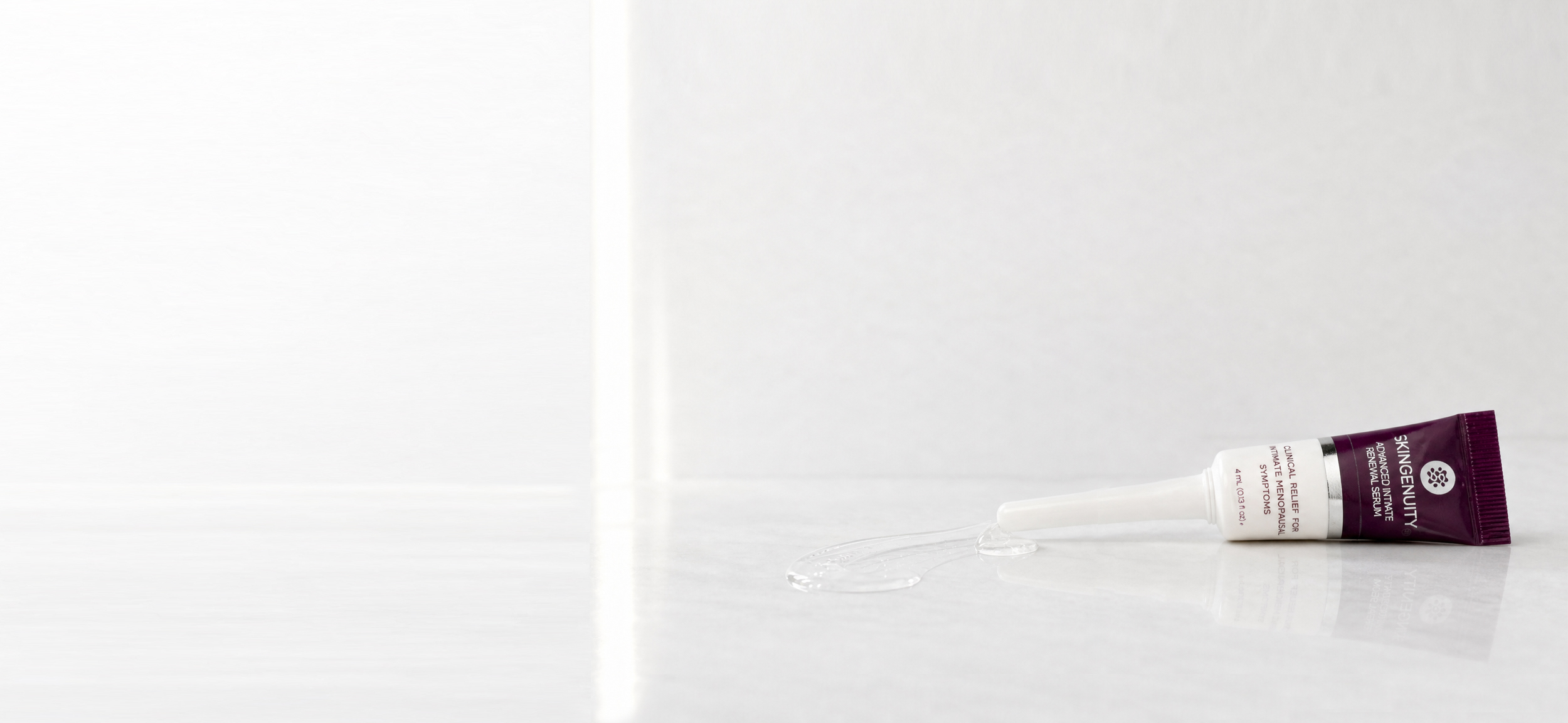
AIRS Advanced Intimate Renewal Serum combines hyaluronic acid with bioengineered growth factors and peptides in single-use applicators. The 3-box bundle is 3 boxes for the price of 2.
When to call your provider
Talk with your OB-GYN or midwife if sex stays painful after you’ve healed, if you notice bleeding, unusual discharge or a bad odor, or if a tear or incision seems not to be healing.
FAQ
Is it normal to have vaginal dryness while breastfeeding?
Yes. Low estrogen during breastfeeding commonly causes dryness. It usually improves after weaning.
When is it safe to have sex after giving birth?
Many providers suggest waiting until after your postpartum checkup, often around 6 weeks, but follow your own provider’s advice.
What the research says
- Researchers have proposed the term genitourinary syndrome of lactation (GSL) to describe menopause-like vaginal and urinary symptoms during breastfeeding [5].
- High prolactin during lactation suppresses estrogen, and vaginal dryness has been reported in up to 46% of breastfeeding women [5].
- Lubricants are suggested as first-line care, with vaginal estrogen or DHEA as options for persistent symptoms [5].
Related reading
- Vaginal dryness: causes, symptoms and when to get help
- Vaginal moisturizer vs. lubricant
- Natural remedies for vaginal dryness
- Vaginal dryness treatment options compared
- Vaginal dryness in perimenopause
- Vaginal dryness in your 20s and 30s
Sources
- Perelmuter S, et al. Genitourinary syndrome of lactation (GSL): a new perspective on postpartum and lactation-related genitourinary symptoms. J Sex Med. 2024;21(Suppl 5).
Reviewed and updated September 30, 2026 by the Vaginal Dryness Relief Editorial Team.
This article is for educational purposes only and isn’t a substitute for professional medical advice. Talk with your healthcare provider about your symptoms and treatment options. See our medical disclaimer.