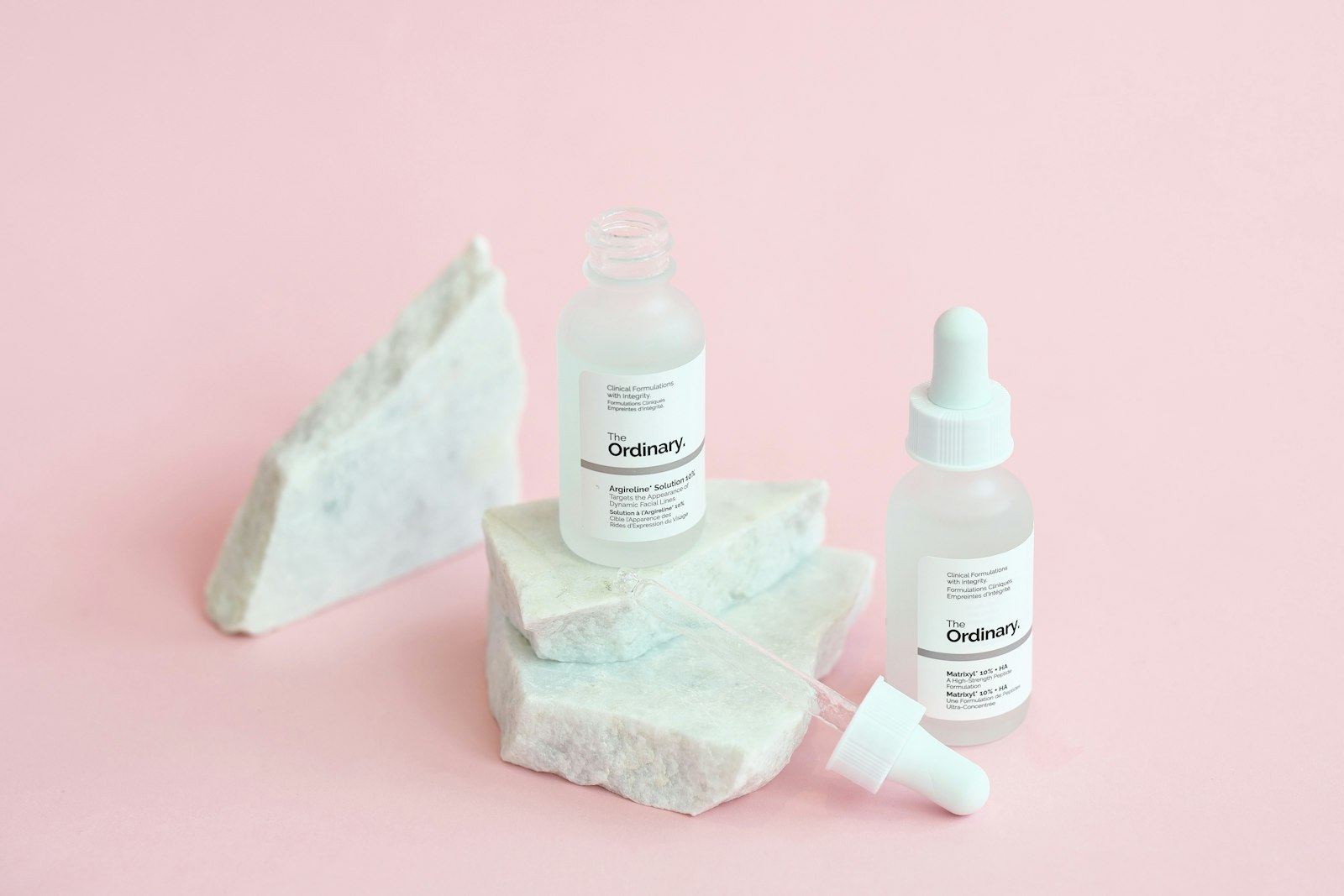
Vaginal moisturizers and lubricants often sit side by side on the shelf, and it’s easy to assume they do the same job. They don’t. Knowing the difference is one of the simplest ways to get better relief from vaginal dryness.
Key takeaways
- A lubricant is used during sex to reduce friction; a moisturizer is used on a schedule (often every 2 to 3 days) for ongoing comfort.
- Water-based lubricants are condom-safe; silicone lasts longer; oils can break down latex condoms.
- Avoid fragrance, warming agents and petroleum jelly inside the vagina.
By the numbers
- In the REVIVE survey (Kingsberg et al., Journal of Sexual Medicine, 2013, 3,046 U.S. postmenopausal women), 55% of women reported vaginal dryness and 44% reported pain during sex.
- The WHO advisory note on personal lubricants recommends lubricants with an osmolality below 1,200 mOsm/kg and a pH near 4.5.
The short answer
- A lubricant is used right before or during sex to reduce friction. It works immediately and only lasts a short time.
- A moisturizer is used on a regular schedule, often every 2 to 3 days, whether or not you’re having sex. It helps the tissue hold water and feel more comfortable over time.
Many women with ongoing dryness, especially during and after menopause, benefit from using both.
Choosing a lubricant
Water-based
Easy to clean up and safe with latex condoms and silicone toys. They can dry out faster, so you may need to reapply.
Silicone-based
Longer-lasting and slippery, good for longer sessions or in water. They’re safe with latex condoms but can damage silicone toys.
Oil-based
Oils like coconut oil feel soothing to some women, but they break down latex condoms and may raise the risk of irritation or infection for some people.
Ingredients to avoid if you are sensitive
- Fragrance, flavors, and warming or cooling agents
- High amounts of glycerin, which can irritate some women
- Parabens and other harsh preservatives
- Products with very high osmolality (very “concentrated” formulas), which can pull water out of tissue
Choosing a moisturizer
Look for gentle, fragrance-free formulas. Hyaluronic acid is a widely used moisturizing ingredient that attracts and holds water. Polycarbophil-based gels are another common option.
Where hormone-free serums fit in
Cosmetic serums like AIRS combine hyaluronic acid with peptides and growth factors to help moisturize and comfort intimate skin, and they’re used on a schedule like a moisturizer. You can still use your favorite lubricant during sex.
Looking for a hormone-free option?
AIRS Advanced Intimate Renewal Serum combines hyaluronic acid with bioengineered growth factors and peptides in single-use applicators. The 90-Day Regimen (3 boxes) is our best value and ships free.
FAQ
Can I use a lubricant as a moisturizer?
Lubricants aren’t designed to hold moisture in the tissue over time, so they usually don’t give lasting relief when used alone.
How long does it take a moisturizer to work?
Many women notice improvement within a few weeks of consistent use.
Is it okay to use both at the same time?
Yes. Use your moisturizer on its regular schedule and add a lubricant during intimacy.
What the research says
- Medical guidelines list lubricants and moisturizers as first-line care for mild vaginal dryness [1].
- Hyaluronic acid moisturizers relieved symptoms about as well as vaginal estrogen in most of the trials reviewed in a 2019 systematic review [3].
- Not every “natural” option is safe inside the vagina: one U.S. study found women who used petroleum jelly vaginally were more than twice as likely to have bacterial vaginosis [6].
Related reading
- Vaginal moisturizers & dryness creams: how to choose
- Best lubricant for menopause dryness
- Sex after menopause: a comfort guide
- Vaginal dryness treatment options compared
- Vaginal dryness: causes, symptoms and when to get help
- Hyaluronic acid for vaginal dryness
- Painful sex after menopause
- Postpartum vaginal dryness
Sources
- The North American Menopause Society. The 2020 genitourinary syndrome of menopause position statement. Menopause. 2020;27(9):976–992.
- Najjarzadeh M, et al. Comparison of the effect of hyaluronic acid and estrogen on atrophic vaginitis in menopausal women: a systematic review. Post Reprod Health. 2019;25(2):100–108.
- Brown JM, et al. Intravaginal practices and risk of bacterial vaginosis and candidiasis infection among a cohort of women in the United States. Obstet Gynecol. 2013;121(4):773–780.